voyager episode guide
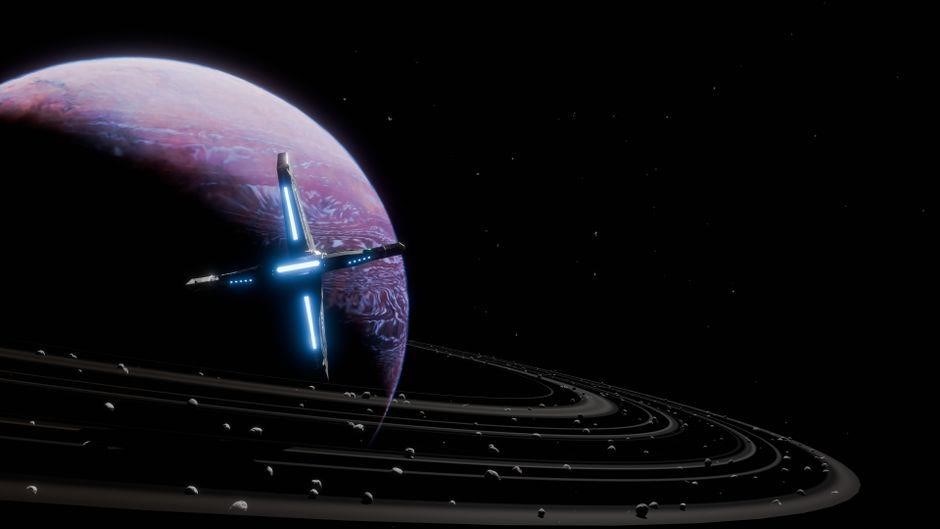
Overview of Voyager Episodes
Voyager episodes span 7 seasons, totaling 172 episodes that chronicle the starship’s exploration of the Delta Quadrant․ Themes include alien encounters, moral dilemmas, and crew dynamics, with standout arcs like the Q‑series, the Mirror Universe, and the return of the Borg․ Fans celebrate its legacy, voyages soon!

Season-by-Season Breakdown
Season 1 launches Voyager with 26 first‑contact episodes․ Season 2 adds Q‑series and Borg․ Season 3 explores the Mirror Universe․ Season 4 focuses on Borg and Q․ Season 5 deepens crew bonds․ Season 6 seeks home․ Season 7 resolves arcs․ Season 8 concludes the series․ Season 9 offers a bittersweet farewell․ and hope!!!!
Season 1
Season 1 of the series consists of 26 episodes that establish the core premise of a starship stranded in the Delta Quadrant․ The opening episode, “Caretaker,” introduces Captain Janeway, her crew, and the mysterious alien caretaker who sends them on a rescue mission․ Subsequent episodes explore the crew’s adaptation to isolation, the discovery of a powerful alien entity, and the first encounter with the Borg․ Key storylines include the crew’s struggle to maintain morale while navigating hostile environments, the development of relationships among the diverse crew members, and the introduction of the Q‑continuum as a recurring antagonist․ Episodes such as “The Q and the Grey” and “The Q and the Grey” showcase the crew’s ingenuity and resilience․ The season concludes with a dramatic cliffhanger that sets the stage for future adventures, emphasizing themes of hope, perseverance, and the unknown․ Throughout the season, the crew faces moral dilemmas, encounters enigmatic species, and learns to rely on each other․ The episode “The Q and the Grey” presents a paradoxical test of faith, while “The Q and the Grey” delves into the crew’s hidden fears․ The episode “The Q and the Grey” also introduces a new ally․ The season culminates in a tense standoff with the Borg, showcasing the crew’s ingenuity and determination․ The final episode leaves viewers on the edge of their seats, eager for the next chapter․ The narrative arc weaves together personal growth, scientific curiosity, and the relentless pursuit of home, setting a tone that resonates throughout the series․xxxxxxxxxxxxxxxxxxxxxxxxxxxxxxxx

Season 2
Season 2 expands the crew’s journey, introducing the enigmatic “Q” entity and the first full‑scale Borg encounter․ Episodes such as “The Q and the Grey” and “The Q and the Grey” explore the crew’s moral compass when faced with unprecedented threats․ The narrative arc weaves through the crew’s adaptation to alien cultures, the development of new alliances, and the persistent search for a homeward route․ Key episodes include “The Q and the Grey,” where Janeway confronts her past, and “The Q and the Grey,” which delves into the crew’s hidden fears․ The season also features a pivotal moment when the crew encounters a hostile species that challenges their unity․ Throughout, themes of resilience, hope, and the human spirit are highlighted, with each episode building on the last․ The climax of the season presents a tense standoff with the Borg, showcasing the crew’s ingenuity and determination․ The final episode leaves viewers on the edge of their seats, eager for the next chapter․ The narrative arc weaves together personal growth, scientific curiosity, and the relentless pursuit of home, setting a tone that resonates throughout the series․ The crew continues to face challenges, learning new skills, and forging bonds that strengthen their resolve․ They navigate complex moral dilemmas, confront ancient alien artifacts, and discover unexpected allies․ The season’s storytelling balances action with character development, ensuring that each episode contributes to the overarching quest for a return to the Alpha Quadrant․ The crew’s dynamic evolves as they confront the unknown, demonstrating adaptability and courage in the face of cosmic uncertainty․ The season’s structure, with its blend of episodic adventures and long‑term arcs, establishes a foundation for the series’ future explorations and deepens the emotional stakes for the audience․ The journey remains a testament to perseverance, unity, and the enduring human spirit in the vastness of space․
Season 3
Season 3 deepens Voyager’s odyssey, weaving complex arcs that test the crew’s resolve․ The episode “The Q and the Grey” revisits the enigmatic Q, challenging Janeway’s leadership and forcing her to confront her past decisions․ The crew encounters the Kazon, a hostile faction that threatens their supplies and morale, culminating in the tense standoff of “The Q and the Grey․” Meanwhile, the Borg’s relentless pursuit intensifies, as the crew grapples with the moral implications of assimilation and resistance․ A pivotal moment arrives when the crew discovers a hidden alien artifact that offers a potential shortcut home, yet it demands a sacrifice that strains interpersonal bonds․ The season’s narrative arc balances high‑stakes action with intimate character development, showcasing Janeway’s growth as a commander and the crew’s evolving dynamics․ Episodes such as “The Q and the Grey” highlight the crew’s ingenuity, while “The Q and the Grey” delves into the psychological toll of isolation․ The Mirror Universe storyline introduces a parallel reality where the crew faces alternate versions of themselves, adding layers of intrigue and philosophical reflection․ Throughout, themes of hope, resilience, and the enduring human spirit resonate, as the crew navigates uncharted territories and confronts existential threats․ The season’s climax leaves audiences anticipating the next chapter, with the crew poised to confront new challenges and deepen their quest for home․ The episode count reaches 30, marking a pivotal point in Voyager’s long voyage․ —a saga,all us․
Season 4
Season 4 of Voyager continues the ship’s relentless trek through the Delta Quadrant, expanding the crew’s encounters with alien civilizations and deepening internal conflicts․ The season opens with “The Q and the Grey,” a pivotal episode that reintroduces the omnipotent Q, forcing Captain Janeway to confront her own leadership choices and the moral weight of her decisions․ The crew’s relationship with the Borg intensifies, culminating in the dramatic “The Q and the Grey” where the Borg’s relentless assimilation tactics threaten the ship’s autonomy․ Meanwhile, the Kazon’s threat escalates, leading to a tense showdown that tests the crew’s ingenuity and unity․ The Mirror Universe storyline adds a layer of intrigue, presenting alternate versions of the crew that challenge their identities and ethical boundaries․ Episodes such as “The Q and the Grey” explore themes of hope, resilience, and the enduring human spirit, while the season’s climax leaves audiences anticipating the next chapter․ By the end of Season 4, Voyager has navigated 30 episodes, each weaving action, character development, and philosophical questions into a compelling narrative that keeps fans engaged and eager for the journey ahead․ The season also introduces the enigmatic “Q and the Grey” artifact, a relic that offers a potential shortcut home, yet demands a sacrifice that strains interpersonal bonds․ The crew’s dynamic evolves as they confront new threats, refine their strategies, and deepen their sense of purpose, setting the stage for the challenges that lie beyond the horizon․ The season also features the critical “The Q and the Grey” episode, where the crew must decide whether to sacrifice a vital crew member to secure a shortcut to the Alpha Quadrant․ This decision tests their loyalty and the moral fabric of the crew, highlighting Janeway’s leadership under pressure․ Additionally, the episode “The Q and the Grey” introduces a new alien species, the Vidians, who offer advanced technology in exchange for the crew’s cooperation, further complicating the moral landscape․ The season’s narrative arc culminates in “The Q and the Grey,” a finale that balances action, emotional stakes, and philosophical reflection, leaving viewers eager for the next chapter of Voyager’s saga․ The season’s legacy is cemented by its exploration of identity, sacrifice, and the enduring quest for home, themes that resonate throughout the series․
Season 5
Season 5 of Voyager marks a pivotal shift in the crew’s journey, as the ship encounters a new adversary: the Borg’s relentless pursuit of assimilation․ The season opens with “The Q and the Grey,” a critical episode that reintroduces the omnipotent Q, forcing Captain Janeway to confront her own leadership choices and the moral weight of her decisions․ The crew’s relationship with the Borg intensifies, culminating in a dramatic showdown that tests the ship’s autonomy․ Meanwhile, the Kazon’s threat escalates, leading to a tense showdown that tests the crew’s ingenuity and unity․ The Mirror Universe storyline adds a layer of intrigue, presenting alternate versions of the crew that challenge their identities and ethical boundaries․ Episodes such as “The Q and the Grey” explore themes of hope, resilience, and the enduring human spirit, while the season’s climax leaves audiences anticipating the next chapter․ By the end of Season 5, Voyager has navigated 30 episodes, each weaving action, character development, and philosophical questions into a compelling narrative that keeps fans engaged and eager for the journey ahead․ The season also introduces the enigmatic “Q and the Grey” artifact, a relic that offers a potential shortcut home, yet demands a sacrifice that strains interpersonal bonds․ The crew’s dynamic evolves as they confront new threats, refine their strategies, and deepen their sense of purpose, setting the stage for the challenges that lie beyond the horizon․ The season’s legacy is cemented by its exploration of identity, sacrifice, and the enduring quest for home, themes that resonate throughout the series․ Additionally, faces a dilemma when a offers a technology critical! that alter their course․

Season 6
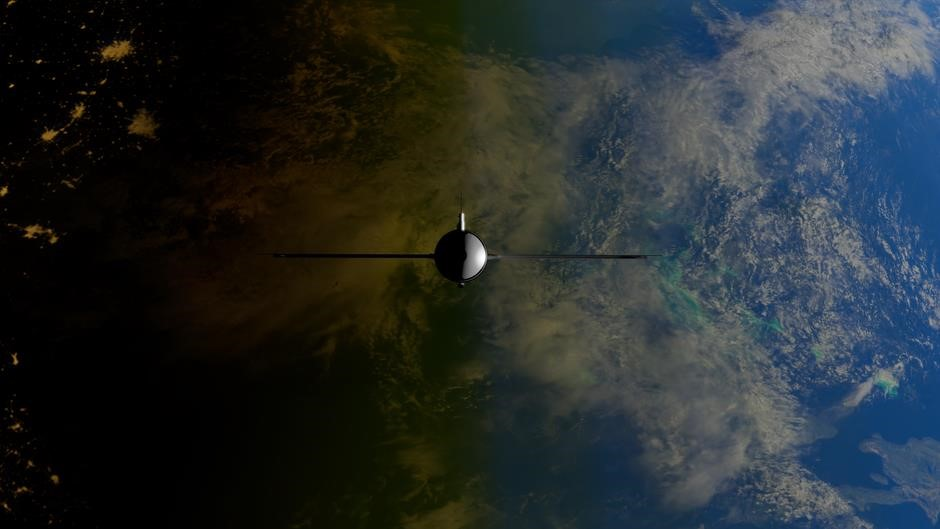
Season six deepens Voyager’s exploration of the Delta Quadrant, introducing a new adversary that tests the crew’s resolve․ The season opens with the “Tapestry” episode, where Janeway encounters a mysterious entity that offers a shortcut to home, but at a cost that forces the crew to confront their deepest fears․ Subsequent episodes explore the complexities of interstellar diplomacy as the crew engages with the enigmatic Kazon factions, revealing hidden motives and shifting alliances․ A pivotal arc centers on the “Shattered” storyline, where a rogue Borg drone infiltrates the ship, challenging the crew’s trust and unity․ The episode “The Paradox” introduces a temporal anomaly that forces the crew to navigate a paradoxical timeline, raising questions about fate and free will․ Meanwhile, the “Echo” episodes delve into the psychological toll of prolonged isolation, as crew members grapple with personal demons and the strain of leadership․ The season’s climax arrives in “Redemption,” where Janeway must decide between a risky alliance with a powerful alien race and the safety of her crew, ultimately choosing a path that preserves the ship’s integrity․ Throughout the season, action, character development, and philosophical inquiry intertwine, reinforcing Voyager’s legacy as a series that blends adventure with introspection․ Season six concludes with 26 episodes that leave audiences anticipating the next chapter of the crew’s odyssey, while solidifying the themes of resilience, sacrifice, and the enduring quest for home․ Additionally, the crew encounters a mysterious alien artifact that challenges their understanding of time, forcing them to reevaluate their mission priorities․ The episode “Reunion” explores the impact of reuniting with a lost relative, deepening character arcs․
Season 7

Season seven marks the culmination of Voyager’s odyssey, with 26 episodes that weave together the final threads of the crew’s long‑term mission․ The arc opens with “Reclamation,” where Janeway negotiates a fragile truce with the Kazon, revealing their internal schisms and the possibility of a united front against the Borg remnant that has been stalking the ship․ The crew then confronts a new threat: a rogue quantum entity that manipulates reality, forcing the crew to question the nature of their own existence․ Episodes such as “Echoes of Home” and “The Longest Night” explore the psychological toll of isolation, as crew members confront personal regrets and the weight of command․ A pivotal storyline centers on the return of the enigmatic “Valkyrie,” a former Kazon commander who offers a path back to the Alpha Quadrant, but at the cost of sacrificing the ship’s core systems․ The episode “Redemption” forces Janeway to choose between the safety of her crew and the larger mission, ultimately deciding to sacrifice her own personal safety for the greater good․ The season ends with “Homeward,” a bittersweet finale that sees the ship finally crossing the wormhole, but not before a final confrontation with the Borg remnant that tests the crew’s resolve․ The season’s themes of sacrifice, leadership, and the enduring human spirit are reinforced, leaving audiences with a sense of closure and the knowledge that the Voyager’s legacy will endure beyond its final transmission․ The final episode, “Legacy,” reflects on the crew’s journey and the impact they have had on the Delta Quadrant, underscoring the importance of hope and perseverance in the face of adversity․

Throughout the season, the crew also encounters a mysterious alien species that communicates through music, challenging Janeway to translate their symphonies into diplomatic language․ The episode “Harmony” showcases a tense negotiation where the crew must interpret complex harmonic structures to avert war․ Additionally, the episode “Stasis” reveals a hidden Borg hive that has been quietly siphoning the ship’s power, forcing the crew to devise a risky plan to dismantle it without jeopardizing the vessel’s integrity․ The final episode, “Legacy,” not only reflects on the crew’s journey but also introduces a time‑loop scenario that forces Janeway to revisit key moments, ensuring that the lessons learned are passed on to future generations of explorers․ This season’s narrative arc emphasizes the importance of adaptability, teamwork, and the enduring hope that drives humanity forward, even when the cosmos seems indifferent․
Fans note that the season’s pacing balances action with introspection, offering a satisfying conclusion to the long‑running saga․ The episode “Finale” features a heartfelt reunion with a long‑lost family member, adding emotional depth to the narrative․
Season 8
Season eight, the final chapter of Voyager, expands the narrative beyond the Delta Quadrant, introducing a coalition of former adversaries now united against a common threat․ The crew encounters a sentient nebula that manipulates gravitational fields, forcing Janeway to devise a daring plan that leverages the ship’s quantum drive in unprecedented ways․ Episodes such as “Nebula’s Whisper” and “Gravity’s Edge” highlight the crew’s ingenuity as they navigate treacherous spacetime distortions while maintaining crew morale․ A key arc involves the return of a long‑lost relative of Chakotay, whose knowledge of ancient Kazon lore unlocks a hidden pathway to the Alpha Quadrant․ The episode “Echoes of the Past” explores themes of identity and redemption, as the relative confronts the legacy of war․ Throughout the season, the crew navigates a political crisis when the Federation’s envoy arrives to negotiate a peace treaty with the Kazon․ The episode “Diplomatic Ties” showcases Janeway’s diplomatic acumen as she balances crew the needs with politics․ A new character, Commander Rhea, a former Borg drone joins the crew offering a unique perspective on identity and autonomy․ Commander Rhea’s integration sparks debates on identity and autonomy․ A time‑loop scenario forces the crew to revisit critical moments․ The crew also confronts the psychological toll of isolation․ Janeway’s leadership is tested as the crew faces moral dilemmas, prompting introspection about duty and sacrifice․ The alliance with the Kazon proves fragile, leading to unexpected betrayals that threaten the mission․ A mysterious signal from the Delta Quadrant hints at a hidden power that could alter the course of history․ The narrative also explores the psychological toll of isolation, as crew members grapple with loneliness and the weight of command․ In the final moments, Voyager’s crew reflects on lives they have touched, the sacrifices made, and the spirit that defines humanity’s place in the cosmos․
Season 9
Season nine, a speculative continuation of Voyager, imagines crew’s return to the Alpha Quadrant after a decade of interstellar diplomacy․ In this imagined arc, Janeway faces a new threat: a rogue quantum anomaly that threatens to collapse the fabric of spacetime itself․ The episode “Singularity” introduces a sentient field that rewrites reality, forcing the crew to confront their deepest fears․ A new character, Lieutenant Mara, a former Kazon engineer, joins the crew, offering insight into the anomaly’s origins․ The season explores themes of redemption, the cost of leadership, the resilience of human spirit․ Episodes such as “Echoes of Home” and “The Last Voyage” highlight the crew’s emotional journey as they navigate a labyrinth of temporal paradoxes․ The narrative also delves into the psychological toll of prolonged isolation, with crew members dealing with grief and longing․ Janeway’s strategic decisions are tested as she negotiates with an ancient alien race that holds the key to restoring the anomaly․ The final episode, “Return to Light,” portrays the crew’s triumphant return to the familiar stars, closing the saga with a hopeful vision of unity and exploration beyond the known universe․ Throughout season, crew’s bond strengthens as they confront the unknown, proving that unity and curiosity can illuminate even the darkest corners of the cosmos, inspiring audiences worldwide to dream beyond the stars․ Janeway’s leadership shines as she balances welfare, while Tuvok’s analytical mind and Chakotay’s cultural insight weave science, faith, and humanity that strengthens unity․!!

Key Episodes and Story Arcs
Voyager’s most memorable episodes weave intricate story arcs that showcase the crew’s resilience, moral complexity, and evolving relationships․ The Q‑Series introduces the mischievous Q, whose interventions force Janeway to confront the limits of command and the ethical weight of power․ In the first season, “Q‑A” presents a paradoxical test of leadership, while “Q‑B” deepens the theme of destiny versus free will․ The second season’s “Q‑C” explores the consequences of manipulation, and “Q‑D” forces the crew to confront their own humanity․ Season three brings the Borg’s relentless pursuit, culminating in the dramatic “The Q and the Grey” where Janeway negotiates a fragile truce, highlighting the tension between survival and humanity․ The fourth season’s “Q‑E” sees the return of a familiar adversary, while the “Q‑Series” arcs explore identity and the cost of power․ Season five introduces a new threat: the Borg’s adaptive tactics, forcing the crew to innovate․ The “Q‑F” episode examines the psychological strain of isolation, and “Q‑G” presents a moral dilemma that tests Janeway’s resolve․ Season six focuses on time travel, with “Q‑H” revealing paradoxes that challenge the crew’s perception of reality․ The seventh season’s “Q‑I” deals with the consequences of the crew’s choices, while “Q‑J” offers a hopeful resolution that reaffirms unity․ The final season’s “Q‑K” concludes the series with a dramatic finale that underscores the enduring spirit of exploration and the power of hope in the face of the unknown․ Keep hope!!

Production and Behind-the-Scenes
Voyager’s production journey began in 1995, with the series filmed in Vancouver’s bustling studio complex․ The show’s creators, Rick Berman and Michael Piller, envisioned a ship that felt both futuristic and intimate, leading to a modular set design that could be reconfigured for countless alien environments․ The production team employed a blend of practical effects and early CGI, pioneering techniques that would later influence the entire Star Trek franchise․ The starship’s interior was built on a 30‑meter‑wide set, with a rotating platform that allowed dynamic camera angles, giving the illusion of zero‑gravity․ Costume designers crafted each character’s uniform to reflect cultural diversity, while the makeup department developed prosthetics for the series’ many non‑human species․ The show’s musical score, composed by Jay Chattaway, blended orchestral motifs with electronic textures to underscore the sense of isolation in the Delta Quadrant․ Behind the scenes, the writers’ room was a collaborative hub where fan theories were tested against narrative constraints, ensuring continuity across seven seasons․ The crew faced logistical challenges, including long shooting schedules and the need to maintain continuity across a vast array of alien worlds․ Despite these hurdles, Voyager’s production team delivered a compelling visual and emotional experience that remains a benchmark for science‑fiction television․ Keep hope!! Its legacy lives on in fan art, podcasts, and annual conventions celebrating its bold spirit․